 blog
10 Best Non-Surgical Treatments for Chronic Soft Tissue Injury
Last Updated: November 2, 2026
Quick Summary
The best non-surgical treatments for chronic soft tissue injury include physical therapy, shockwave therapy, PRP injections, corticosteroid injections, hyaluronic acid injections, stem cell injections, chiropractic care, massage, bracing, and activity and lifestyle change. Start with the least invasive option that matches your injury and goals, and move up only when a treatment has had a fair trial and failed.
- Chronic injuries resist healing because poor circulation, chronic inflammation, and protective guarding stall the healing response.
- Physical therapy is often tried first and uses graded exercise and manual techniques to rebuild load tolerance.
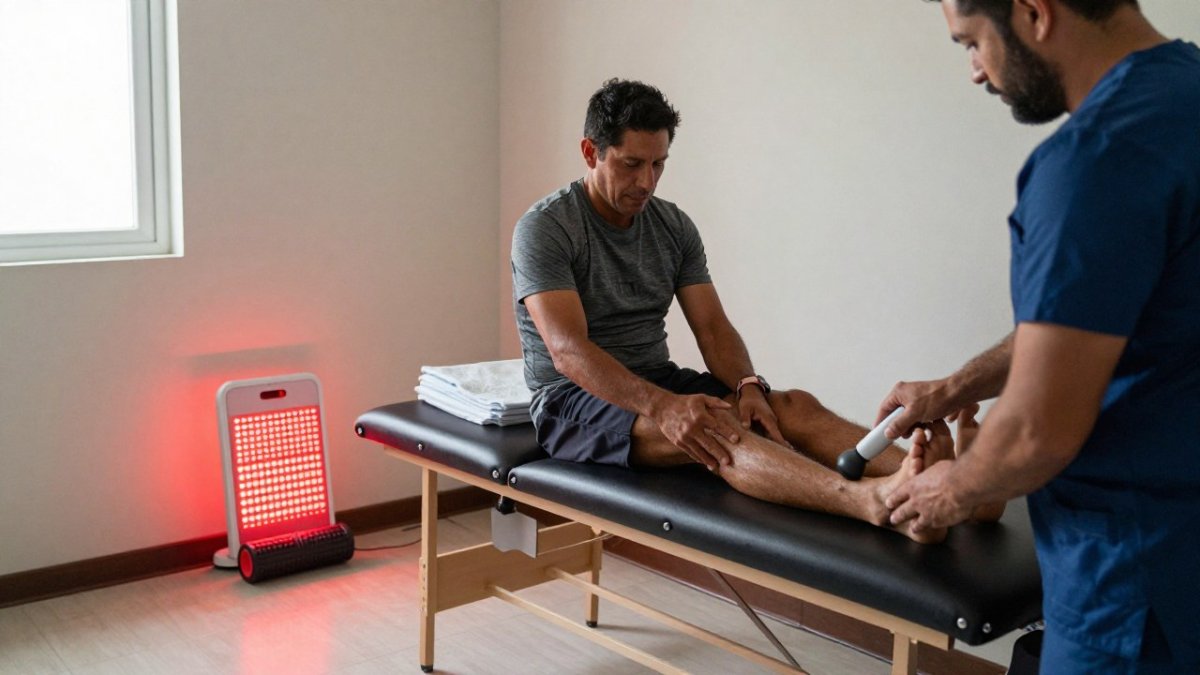
- Shockwave therapy delivers high-energy acoustic pulses as a series of sessions, with temporary soreness common afterward.
- Repeated corticosteroid injections can weaken tendon and cartilage tissue, so they are generally a short-term measure.
- Surgery becomes reasonable when a structural problem blocks recovery or a fair trial of conservative care has failed.
Table of Contents
- 10 Best Non-Surgical Treatments for Chronic Soft Tissue Injury
- Comparison Table: Non-Surgical Treatments at a Glance
- 1. Physical Therapy for Chronic Soft Tissue Injuries
- 2. Shockwave Therapy for Soft Tissue Injuries
- 3. Platelet-Rich Plasma (PRP) Injections
- 4. Corticosteroid Injections
- 5. Hyaluronic Acid Injections
- 6. Regenerative Medicine and Stem Cell Injections
- 7. Chiropractic Care
- 8. Massage and Soft Tissue Work
- 9. Bracing and Support
- 10. Activity and Lifestyle Changes
- What Most Guides Miss About Recovery Time
- When to Reconsider Surgery
- Frequently Asked Questions
10 Best Non-Surgical Treatments for Chronic Soft Tissue Injury
Chronic soft tissue injuries are damage to muscles, tendons, and ligaments that persist beyond the normal healing window, often lasting months or years. Chronic soft tissue injuries commonly show up as shoulders that never quite recover, knees that ache after running, or low backs that flare without a clear trigger. The ten non-surgical treatments below are commonly considered options, listed roughly in the order they are often tried.
A chronic soft tissue injury is not simply an acute injury that took longer to heal. Over time the tissue can change, and the treatments that helped early on may stop working.
Below, we break down each option by what it involves, who it suits, and where it falls short, so you can walk into a consultation with real questions instead of hope.
Why Chronic Soft Tissue Injuries Resist Healing
Most injuries heal on a predictable curve. Chronic ones do not, because the healing response itself has stalled. Poor circulation limits oxygen and nutrients to the damaged tissue. Chronic inflammation keeps the area sensitized. And protective guarding weakens the surrounding muscle over time.
That combination explains why rest alone stops working. The tissue needs controlled load, better blood flow, and a reason to rebuild. A common mistake is chasing pain relief without restoring function, which is why symptoms return the moment you resume normal activity.
How to Use This Comparison
Treat this list as a decision aid, not a prescription. Start with the least invasive option that matches your injury and your goals. Move up only when a treatment has had a fair trial and failed. The comparison table below summarizes all ten, then each section covers the detail.
Comparison Table: Non-Surgical Treatments at a Glance
| Treatment | Best For | Typical Course | Main Trade-off |
|---|---|---|---|
| Physical therapy | Most soft tissue injuries | Weeks to months | Requires consistent effort |
| Shockwave therapy | Tendon and fascia problems | Several sessions | Temporary soreness |
| PRP injections | Slow-healing tendons, ligaments | Series of injections | Limited insurance coverage |
| Corticosteroid injections | Short-term pain flare control | One to a few injections | Repeated use weakens tissue |
| Hyaluronic acid injections | Joint-related soft tissue pain | Series of injections | Evidence varies by site |
| Stem cell injections | Refractory cases | Case-dependent | Cost and limited regulation |
| Chiropractic care | Mobility and alignment issues | Ongoing plan | Not a standalone cure |
| Massage and soft tissue work | Muscle tightness, guarding | Regular sessions | Temporary relief alone |
| Bracing and support | Load management during recovery | Weeks to months | Can weaken muscles if overused |
| Activity and lifestyle change | Every chronic injury | Ongoing | Slow, unglamorous progress |
1. Physical Therapy for Chronic Soft Tissue Injuries
Physical therapy is a common foundation of chronic soft tissue injury treatment. It uses graded exercise and manual techniques to rebuild load tolerance in damaged tissue, and is often tried first.
What It Involves
A therapist assesses your movement, identifies weak links, and builds a progressive program. Early sessions focus on restoring motion. Later ones add strength and control. Physical therapy for chronic soft tissue injuries works because it gives the tissue the stimulus it needs to remodel.
Pros and Cons
Pros:
- Addresses the cause, not just the symptom
- Teaches you to manage the injury yourself
- Low risk compared with injections or surgery
Cons:
- Progress is slow and requires consistency
- Results depend heavily on program quality
Best for: Most people with a first-time chronic diagnosis. Skip if: You have an unstable fracture or an acute injury needing imaging first.
2. Shockwave Therapy for Soft Tissue Injuries
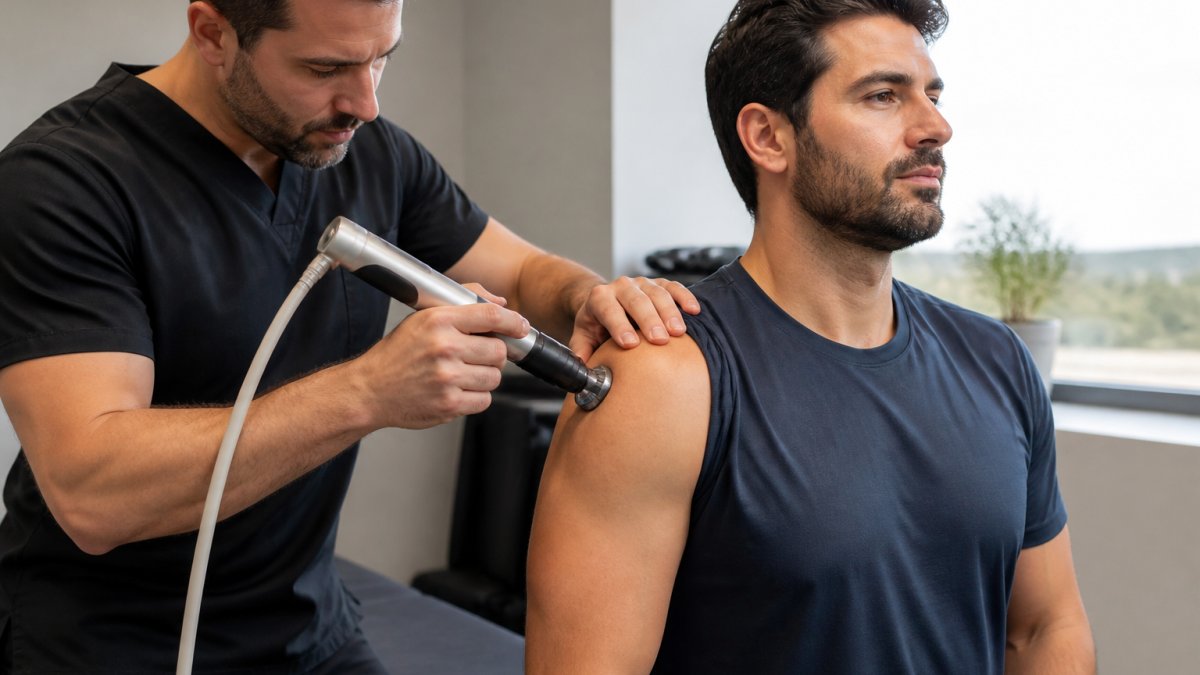
Shockwave therapy uses focused acoustic waves to stimulate a healing response in stubborn tendon and fascia problems.
How Acoustic Waves Stimulate Healing
Shockwave therapy delivers short, high-energy acoustic pulses into the target tissue, and is generally given as a series of sessions rather than a single visit.
Pros and Cons
Pros:
- Non-invasive, no downtime for most people
- Targets tissue that has stopped responding to exercise alone
- Well tolerated by most patients
Cons:
- Temporary soreness after sessions is common
- Not appropriate over certain areas or for some medical conditions
Best for: Chronic tendon and fascia pain that has stalled with therapy. Skip if: You are pregnant, have a bleeding disorder, or have an active infection in the area.
3. Platelet-Rich Plasma (PRP) Injections
PRP injections use a concentration of the patient's own platelets and growth factors, which are sometimes used for slow-healing tendons and ligaments.
Pros: Uses your own biology, minimal rejection risk, growing evidence for tendon injuries. Cons: Often not covered by insurance, requires a series, results vary by preparation method.
Best for: Chronic tendon injuries that have failed conservative care. Skip if: You have a blood disorder or active infection.
4. Corticosteroid Injections
Corticosteroid injections are a medical option that can reduce inflammation quickly. They are generally considered a short-term measure.
Pros: Fast pain relief, useful to enable therapy. Cons: Repeated use can weaken tendon and cartilage tissue; relief may be temporary.
Best for: A severe flare blocking your ability to exercise. Skip if: You have had multiple injections in the same area recently.
5. Hyaluronic Acid Injections
Hyaluronic acid injections add lubrication to joints and can ease soft tissue pain tied to joint movement. Evidence is strongest for certain joints and weaker for others, so site matters.
Pros: Low systemic risk, can improve comfort with movement. Cons: Results vary by joint, often needs repeat dosing.
Best for: Joint-related soft tissue pain where movement is limited by stiffness. Skip if: You have an active joint infection.
6. Regenerative Medicine and Stem Cell Injections
Regenerative medicine uses cells or biologic agents to support tissue healing. Evidence for many uses is still developing.
Pros: Potential to address the root cause, growing research interest. Cons: Costly, inconsistent regulation, evidence still developing for many uses.
Best for: Refractory cases after other options have failed. Skip if: You want a proven, standardized protocol with clear long-term data.
7. Chiropractic Care
Chiropractic care is generally used to address joint motion and mechanical stress on soft tissue, and is often combined with other approaches.
Pros: Improves mobility, low risk when appropriately applied. Cons: Does not rebuild tissue strength on its own.
Best for: Injuries with a mobility or alignment component. Skip if: You have an unstable spinal condition without clearance.
8. Massage and Soft Tissue Work
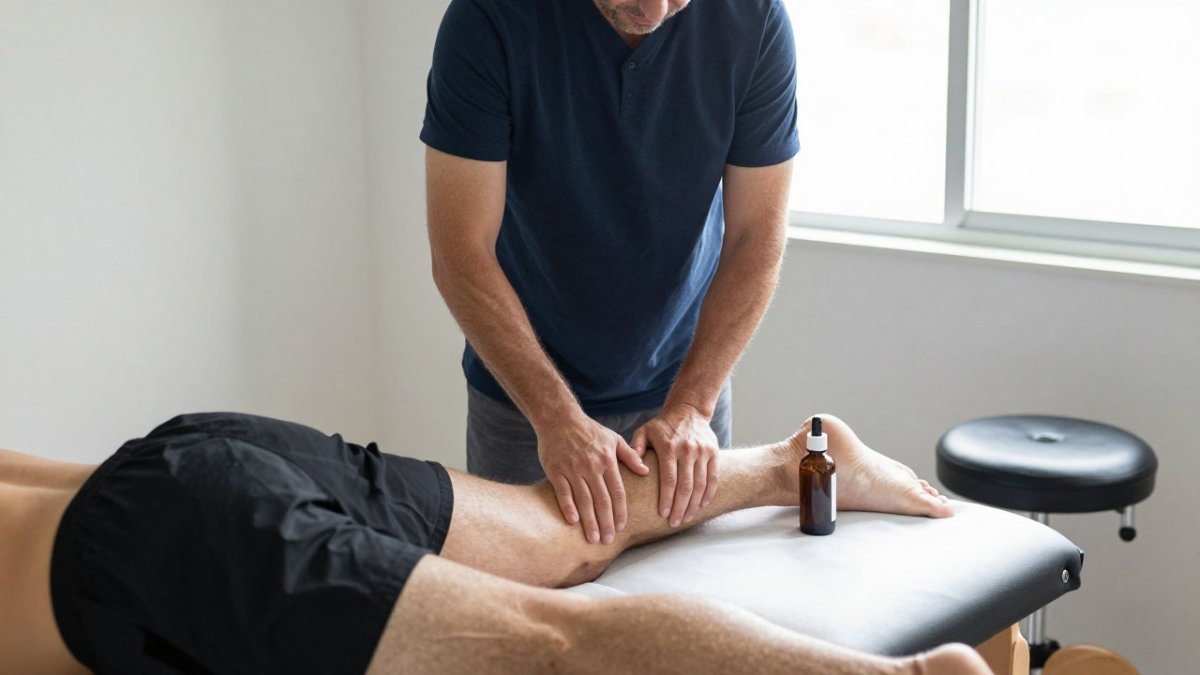
Massage is commonly used to ease muscle guarding around an injury and can make movement feel more comfortable when paired with exercise.
Pros: Immediate relief, low risk, supports relaxation. Cons: Temporary on its own; needs to be paired with active work.
Best for: Tight, guarded muscles around a chronic injury. Skip if: You have an acute strain or open wound in the area.
9. Bracing and Support
Knee braces and other supports manage load during recovery. They are a bridge, not a destination.
Pros: Reduces strain during activity, easy to use. Cons: Overuse can weaken surrounding muscle over time.
Best for: Return-to-activity phases. Skip if: You rely on it indefinitely instead of rebuilding strength.
10. Activity and Lifestyle Changes
Lifestyle changes such as sleep, nutrition, and consistent physical activity are widely recognized as factors that influence how well tissue heals.
Pros: Free, sustainable, supports every other treatment. Cons: Slow results, requires patience.
Best for: Everyone on this list. Skip if: Never. This is the foundation.
What Most Guides Miss About Recovery Time
Soft tissue injury recovery time is not a fixed number. It depends on the tissue, the site, and how long the problem has been present. Tendons heal slower than muscle. Chronic injuries heal slower than fresh ones.
Tracking outcomes such as pain-free range of motion, tolerance for specific activities, and the number of good days per week can help you gauge progress.
When to Reconsider Surgery
Surgery becomes reasonable when a structural problem blocks recovery, or when a fair trial of conservative care has failed. That decision belongs in a consultation with a qualified professional who can review your imaging and history, not in a list like this one.
Chronic soft tissue injuries rarely resolve with a single intervention. They resolve with a coordinated plan that rebuilds tissue, restores motion, and addresses the habits that keep the problem alive. The Powerful Body: Chiropractic & Massage offers chiropractic care, massage therapy, and recovery technologies such as shockwave and red light therapy. Led by Dr. Manny Trevino, D.C., M.S., L.M.T., a U.S. Army veteran with over 30 years of clinical and military medicine experience, the practice works to build personalized treatment plans. Contact the practice to discuss whether these options fit your situation.
Frequently Asked Questions
What is the best treatment for a chronic soft tissue injury?
There is no single best treatment; the right choice depends on the injury type, location, and your health history. Physical therapy is often the first step, while shockwave therapy, PRP injections, and chiropractic care can help when conservative measures stall. A thorough assessment is essential to match the treatment to your specific tissue damage and recovery goals.
How long does a chronic soft tissue injury take to heal?
Recovery time varies widely. Tendon and ligament injuries may take 6 to 12 weeks with consistent care, while chronic cases can take several months. Factors include age, injury severity, blood supply to the tissue, and adherence to rehabilitation. Tracking function and pain levels over time gives a clearer picture than a fixed timeline.
Can shockwave therapy help a chronic soft tissue injury?
Shockwave therapy uses acoustic waves to stimulate blood flow and trigger a healing response in stubborn tendons and fascia. Some studies have examined its use for conditions such as plantar fasciitis and tennis elbow. It is non-invasive and typically requires multiple sessions, but individual results vary.
Is physical therapy effective for chronic soft tissue injuries?
Yes, physical therapy is a cornerstone of chronic soft tissue injury treatment. It addresses muscle imbalances, improves flexibility, and strengthens supporting structures. A tailored program can break the cycle of reinjury and help you return to activity. Consistency and progressive loading are key to seeing results.