 blog
How to Choose the Best Recovery Technology for Athletes
Last Updated: October 25, 2026
Quick Summary
Recovery technology for athletes includes compression boots, cold-water immersion, red light therapy, massage guns, foam rollers, and shockwave therapy, each addressing different recovery needs based on training load and sport. The best approach combines multiple modalities matched to your specific training demands, injury history, and timeline rather than relying on any single tool.
- Compression boots work best within 2 hours post-workout for high-volume leg training, used 2-3 times per week.
- A 2026 review found no physical recovery modality outperformed passive recovery in competitive endurance athletes.
- Foam rollers and massage guns target localized muscle tension and should be used daily on muscle bellies, avoiding bones and joints.
- Shockwave therapy is FDA-cleared for chronic injuries like tendinopathy and plantar fasciitis, requiring 3-6 professional sessions spaced one week apart.
- Foundational recovery, sleep, hydration, nutrition, and stretching, should be optimized before adding advanced recovery technologies.
Table of Contents
- Understanding Athletic Recovery and Recovery Technology
- Compression Recovery Boots for Athletes
- Cold Therapy and Cold-Water Immersion
- Red Light Therapy for Athletes
- Massage Guns, Foam Rollers, and Percussive Therapy
- Shockwave Therapy for Sports Injuries
- Best Recovery Tools for Runners
- Personalized Recovery Planning for Your Training Load
- Frequently Asked Questions
Understanding Athletic Recovery and Recovery Technology
Athletic recovery is the process your body uses to repair muscle tissue, restore energy systems, and return to peak performance after training or competition. Recovery isn't passive, it's an active physiological adaptation that determines whether your next workout builds strength or leads to injury and burnout.
The difference between athletes who progress and those who plateau often comes down to recovery strategy. Your body doesn't get stronger during training. It gets stronger during recovery, when muscle protein synthesis peaks and your nervous system resets. A 2024 systematic review examining recovery strategies in endurance athletes found that research on training recovery remains sparse, but compression garments and cold-water immersion show promise as recovery technology for athletes.
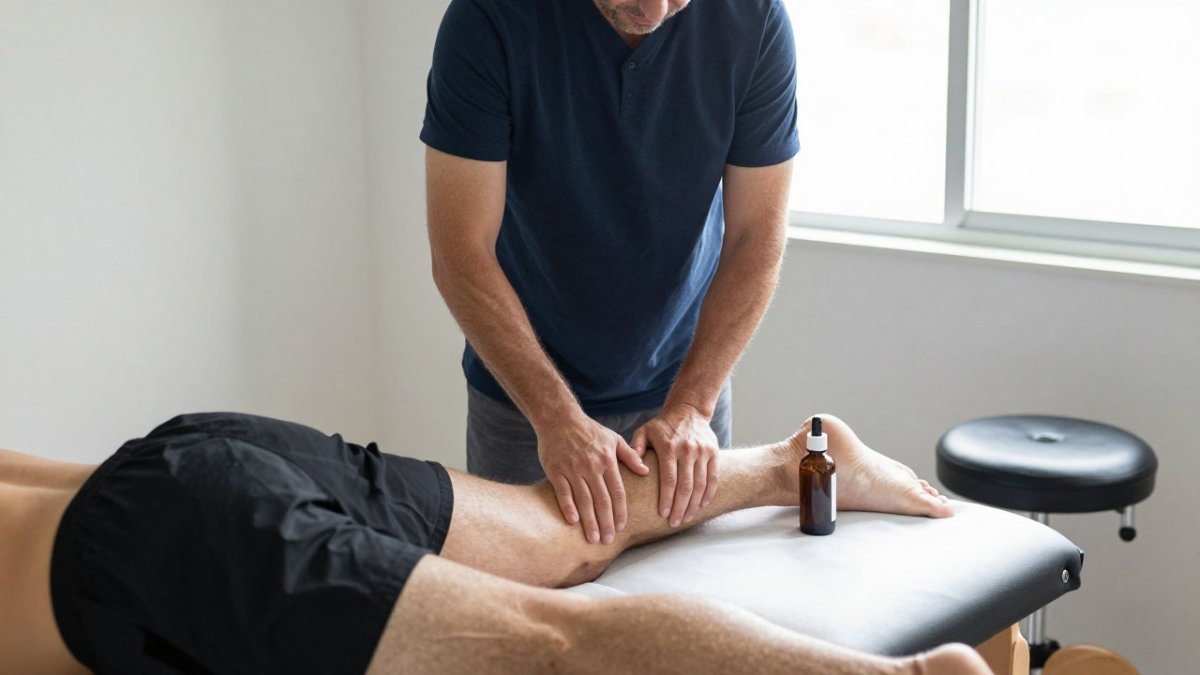
At The Powerful Body: Chiropractic & Massage, we work with active individuals who understand that recovery technology for athletes isn't luxury, it's foundational. The tools and methods you choose directly impact tissue healing, mobility restoration, and your ability to train hard without accumulating injury risk.
This guide covers the most evidence-backed recovery technologies available today, how they work, and which ones fit different training loads and sports. We'll also show you how to build a personalized recovery protocol instead of randomly cycling through expensive gadgets.
Compression Recovery Boots for Athletes
Compression recovery boots use pneumatic compression to apply controlled pressure that moves sequentially up your legs, mimicking the muscle contractions that occur during active movement. The theory is straightforward: enhanced circulation accelerates metabolic waste removal and nutrient delivery to damaged muscle tissue.
Compression therapy works by creating a pressure gradient. The boots inflate in stages from your feet upward, pushing blood and lymphatic fluid toward your heart. This reduces inflammation and may speed the clearance of metabolic byproducts that accumulate during intense training.
Many athletes report feeling fresher after compression sessions, particularly after high-volume leg work. Runners, cyclists, and team-sport athletes use compression recovery boots most frequently because leg fatigue is their primary limiter.
The evidence supporting compression therapy is mixed. Research from the Gatorade Sports Science Institute discusses compression as one recovery technique among several, including hydrotherapy, active recovery, stretching, and massage.
Cost varies widely depending on the device brand and features. Expect to invest in either purchasing a system outright or accessing one through a recovery facility. The best approach is to try compression boots before committing to purchase, many physical therapy clinics and sports medicine centers offer sessions.
Cold Therapy and Cold-Water Immersion
Cold therapy reduces inflammation and slows metabolic activity in muscle tissue, theoretically limiting secondary damage after intense training. Cold-water immersion involves submerging your body in water between 50-59°F for 10-15 minutes, while other cold therapies include ice baths, cryotherapy chambers, and localized ice application.
The mechanism is well-understood: cold exposure causes vasoconstriction (blood vessels narrow), reducing blood flow to the area. When you exit the cold, vasodilation follows (blood vessels open), creating a rebound effect that increases circulation and nutrient delivery.
However, here's where the evidence gets complicated. A 2026 review published in Frontiers in Sports and Active Living examined 47 comparisons across eight outcomes and found that no physical recovery modality outperformed passive recovery in competitive or elite endurance athletes.
Cold-water immersion works best for acute inflammation management immediately after competition or very high-intensity sessions. For routine training recovery, the evidence suggests that cold therapy offers minimal advantage over active recovery, sleep, and proper nutrition.
Watch out: Cold therapy is contraindicated for certain conditions, including Raynaud's syndrome, cryoglobulinemia, and some circulatory disorders. Consult a qualified healthcare provider before starting cold immersion protocols, particularly if you have cardiovascular concerns or a history of cold sensitivity.
Red Light Therapy for Athletes
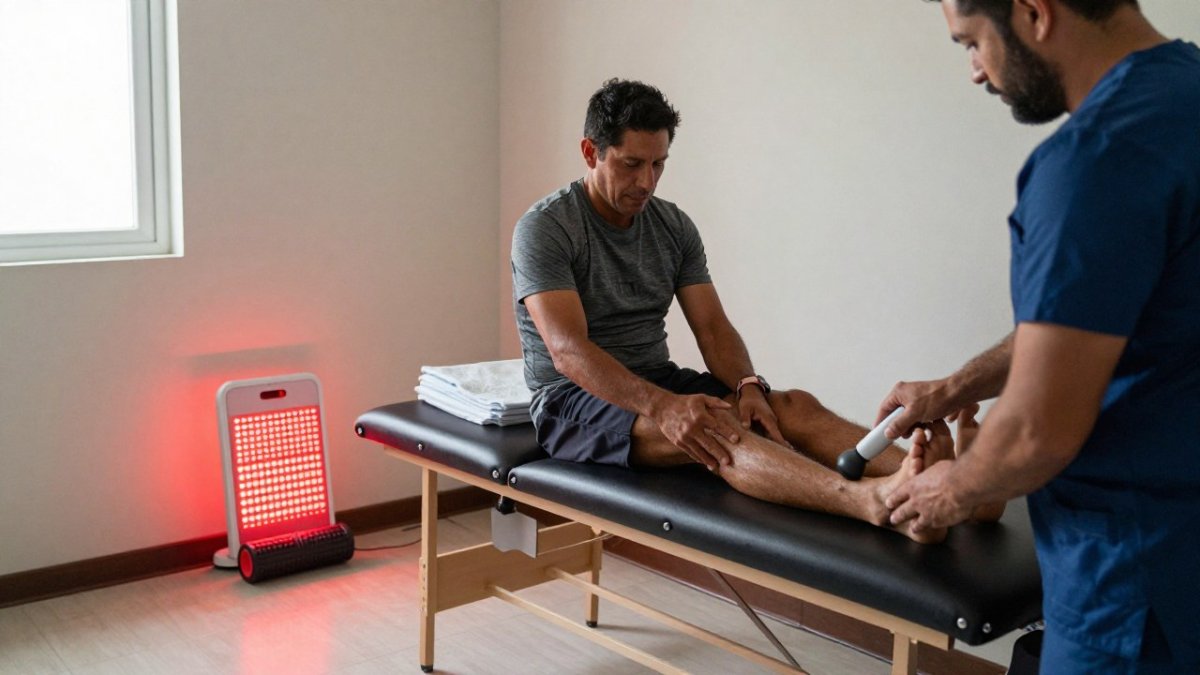
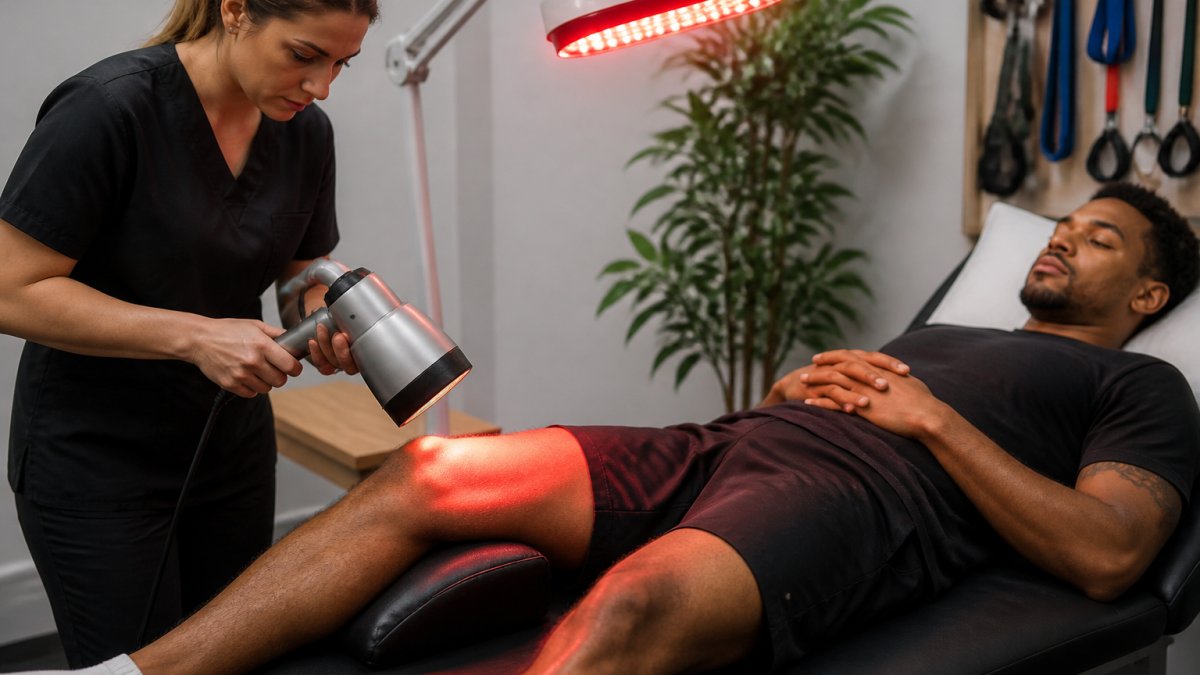
Red light therapy (also called photobiomodulation) uses wavelengths between 600-1000 nanometers to penetrate skin and stimulate mitochondrial energy production (pubmed.ncbi.nlm.nih.gov). The theory is that increased ATP (cellular energy) accelerates tissue repair and reduces inflammation at the cellular level.
Red light therapy is non-invasive, painless, and carries minimal risk. Sessions typically last 10-20 minutes, and many athletes use it as a complement to other recovery methods.
The evidence for red light therapy in athletic recovery is emerging but not yet definitive. Some research suggests benefits for muscle soreness and recovery speed, while other studies show minimal effect.
At The Powerful Body: Chiropractic & Massage, we integrate red light therapy into personalized treatment plans. When combined with massage, chiropractic adjustment, and targeted mobility work, red light therapy supports tissue healing and reduces pain.
Red light therapy is safe for most athletes, though it's not recommended during certain medications (like photosensitizing drugs) or for untreated eye conditions. Always use devices as directed and consult your healthcare provider if you're on medications that increase photosensitivity.
Massage Guns, Foam Rollers, and Percussive Therapy
Massage guns deliver rapid, targeted percussion (typically 1,200-3,200 pulses per minute) to muscle tissue, creating vibration that breaks up tension, increases blood flow, and may reduce muscle soreness.
Percussive therapy works by stimulating mechanoreceptors in muscle tissue, which send signals to your nervous system to relax the muscle. This is why a massage gun often feels immediately relieving, it's triggering a neurological response, not just mechanical pressure.
Both tools are affordable, portable, and effective for addressing localized muscle tension. Runners, CrossFit athletes, and strength trainers use them most frequently because they target specific muscle groups that accumulate tension during training.
The key difference: foam rollers require you to control pressure and movement, while massage guns do the work for you. Foam rollers build body awareness and are excellent for self-assessment, you feel where tension lives.
Watch out: Avoid using massage guns directly on bones, joints, or the spine. Stick to muscle bellies and avoid areas of acute pain or injury until cleared by a healthcare provider. Overuse can cause temporary bruising or soreness.
Shockwave Therapy for Sports Injuries
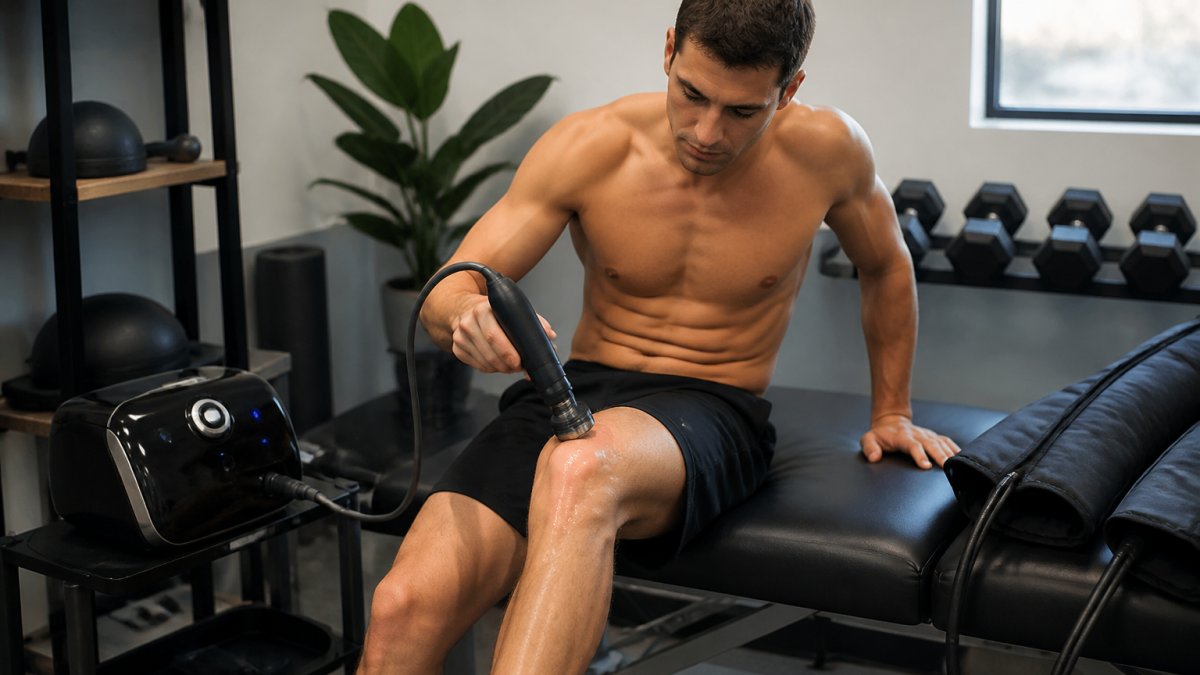
Extracorporeal shockwave therapy (ESWT) uses acoustic waves to stimulate tissue repair and reduce pain in chronic injuries like tendinopathy, plantar fasciitis, and calcific shoulder tendinitis. Unlike cold therapy or compression, shockwave therapy is clinically administered and requires professional training.
Shockwave therapy works by creating microtrauma that triggers an inflammatory response, which then activates the body's natural healing cascade. This is counterintuitive, controlled injury stimulates repair. Sessions typically last 15-30 minutes, and most protocols involve 3-6 sessions spaced one week apart.
The evidence for shockwave therapy in sports injuries is stronger than for many other recovery technologies. It's FDA-cleared for specific indications and is used by sports medicine physicians, orthopedic surgeons, and physical therapists nationwide.
Dr. Manny Trevino at The Powerful Body: Chiropractic & Massage integrates shockwave therapy into comprehensive treatment plans for athletes with chronic tendon or fascial injuries. When combined with targeted mobility work, soft-tissue therapy, and strength training, shockwave therapy addresses the source of pain rather than just symptoms.
Shockwave therapy requires professional administration and isn't something you do at home. If you're considering it, consult a qualified sports medicine provider to determine whether your injury is appropriate for this modality.
Best Recovery Tools for Runners
Runners face specific recovery demands: high-impact forces concentrate stress on the lower legs, knees, and hips, while repetitive movement patterns create predictable injury sites. The best recovery tools for runners address these biomechanical realities.
Compression recovery boots are particularly valuable for runners because they target the legs directly and can be used passively while you rest or work.
Foam rollers and massage guns are essential for runners because they address the tight hip flexors, IT bands, and calf muscles that accumulate tension during running. A 2-minute daily session on these areas prevents many common running injuries before they start.
Cold-water immersion works best for runners after competition or very high-intensity sessions, not routine training. For most runs, active recovery and proper sleep deliver better results than cold exposure.
Red light therapy supports runners by reducing inflammation and muscle soreness, particularly when combined with massage or chiropractic care. Many runners integrate red light into their weekly routine, especially during heavy training blocks.
Personalized Recovery Planning for Your Training Load
Recovery technology for athletes only works when it matches your actual training load, sport, and injury history. A protocol that works for a competitive cyclist won't necessarily work for a CrossFit athlete or a weekend warrior.
Start by assessing your training volume and intensity. High-volume, high-intensity training demands more aggressive recovery. Lower-volume training often responds better to simple interventions like stretching, sleep, and hydration.
Next, identify your injury-prone areas. Runners need leg-focused recovery. Swimmers need shoulder and rotator cuff attention. Weightlifters need knee and lower-back support.
Consider your timeline. If you're training for a specific event, recovery becomes more critical in the weeks leading up to competition. Off-season training allows for more aggressive workouts and simpler recovery.
Finally, build your protocol progressively. Start with foundational recovery: sleep, hydration, nutrition, and basic stretching. Add compression or massage only after you've optimized these basics.
| Recovery Modality | Best For | Frequency | Timing |
|---|---|---|---|
| Compression boots | High-volume leg training | 2-3 times per week | Within 2 hours post-workout |
| Cold-water immersion | Competition recovery | After intense efforts only | Immediately post-competition |
| Red light therapy | Chronic inflammation | 3-5 times per week | Anytime post-workout |
| Massage gun | Localized muscle tension | Daily or as needed | Anytime, 1-3 min per area |
| Foam roller | Mobility maintenance | Daily | Pre-workout or anytime |
| Shockwave therapy | Chronic tendon injuries | 3-6 sessions, 1 week apart | Professional setting only |
The recovery technology you choose matters less than consistency and alignment with your training. Many athletes waste money on expensive devices while neglecting sleep, hydration, and movement quality, the true foundations of recovery.
At The Powerful Body: Chiropractic & Massage, we build personalized recovery plans that integrate chiropractic care, massage therapy, and advanced technologies like shockwave and red light therapy. Dr.
Frequently Asked Questions
What is the best recovery technology for athletes?
The best recovery technology depends on your sport, training load, and goals. A 2026 review found that no single physical recovery modality outperformed passive recovery alone in competitive and elite endurance athletes. Compression garments, cold-water immersion, foam rolling, and massage guns show evidence of benefit for muscle recovery and reducing soreness. Combining multiple approaches, such as compression therapy with stretching and hydration, often produces better results than relying on one tool. A personalized plan that matches your specific needs works better than generic protocols.
Does compression therapy help with post-workout recovery?
Yes, compression garments and compression recovery boots show promise for post-workout recovery. A 2024 systematic review found that compression therapy appears to improve recovery outcomes in endurance athletes. Compression works by enhancing blood flow and reducing inflammation in fatigued muscles. Wearing compression gear or using pneumatic compression boots for 20-30 minutes after training may speed muscle repair and reduce delayed-onset muscle soreness (DOMS). Results vary by individual and training intensity.
Can red light therapy support athletic recovery?
Red light therapy (photobiomodulation) works by stimulating cellular energy production and reducing inflammation. Athletes use red light therapy to accelerate muscle repair, decrease soreness, and improve circulation after intense training or competition. Sessions typically last 10-20 minutes. While research supports its use, red light therapy is most effective as part of a broader recovery routine that includes stretching, hydration, and rest.
How long does it take to see results from recovery technology?
Results depend on the technology and your training load. Compression therapy and cold-water immersion may reduce muscle soreness within hours after use. Foam rolling and massage guns provide immediate relief but require consistent use over days or weeks to build lasting improvements in range of motion and flexibility. Red light therapy and shockwave therapy typically show benefit over 2-4 weeks of regular sessions. Personalized recovery plans that address your specific injury or training goal produce the most reliable outcomes.