 How-to
How to Speed Up Recovery After Sports Injuries
Last Updated: November 22, 2026
Quick Summary
To speed up recovery after sports injuries, first confirm whether you have soreness or tissue damage, then follow a staged plan: protect and calm the tissue for the first 48 to 72 hours, restore motion and load over the next one to two weeks, and return to sport only when you pass strength and function criteria. Sleep, massage, active recovery, and steady protein and carbohydrate intake support healing.
- DOMS peaks at 24 to 48 hours, while a muscle strain hurts right away and is pinpoint and sharp.
- Ice for 15 to 20 minutes at a time in the first 48 hours to calm pain and swelling.
- Return to sport when strength is within about 10% of the uninjured side and drills are pain-free.
- A 20 to 30 minute massage within 2 hours of exercise can reduce soreness for 24 hours.
- Aim for roughly 20 to 40 grams of protein per meal spread across three to four meals.
Table of Contents
- Soreness or Injury? How to Tell What You're Dealing With
- How to Speed Up Muscle Recovery After Injury: A Staged Plan
- Best Recovery Methods for Athletes, Ranked by Evidence
- Best Muscle Recovery Food and Hydration Habits
- Post Workout Recovery Supplements: What the Evidence Supports
- Warning Signs That Mean See a Doctor, Not Rest
- Avoiding Reinjury: Monitoring Progress Week by Week
- Building Your Recovery Plan With The Powerful Body
- Frequently Asked Questions
Soreness or Injury? How to Tell What You're Dealing With
Knowing how to speed up recovery after sports injuries starts with one question: is this soreness, or is it damage? A 2024 review in the International Journal of Sports Physiology and Performance found that massage was the most effective method among the strategies it assessed for easing delayed-onset muscle soreness and perceived fatigue review of recovery strategy effectiveness.
Delayed-onset muscle soreness (DOMS) is the dull ache that shows up 12 to 24 hours after hard training and fades on its own. A muscle strain is a partial tear of muscle fibers. It produces sharper pain, often with swelling, bruising, or a loss of strength.
Delayed-Onset Muscle Soreness vs. a Muscle Strain
Use this checklist to sort one from the other:
- Timing: DOMS peaks at 24 to 48 hours. A strain hurts right away.
- Feel: Soreness is spread out and dull. A strain is pinpoint and sharp.
- Swelling: Rare with DOMS. Common with a strain.
Watch out: if you cannot put weight on the limb or move it through its normal range, treat it as an injury until a professional says otherwise.
How to Speed Up Muscle Recovery After Injury: A Staged Plan
When you want to know how to speed up muscle recovery after injury, the answer is not one magic method. It is a staged plan that matches what you do to how far the tissue has healed.
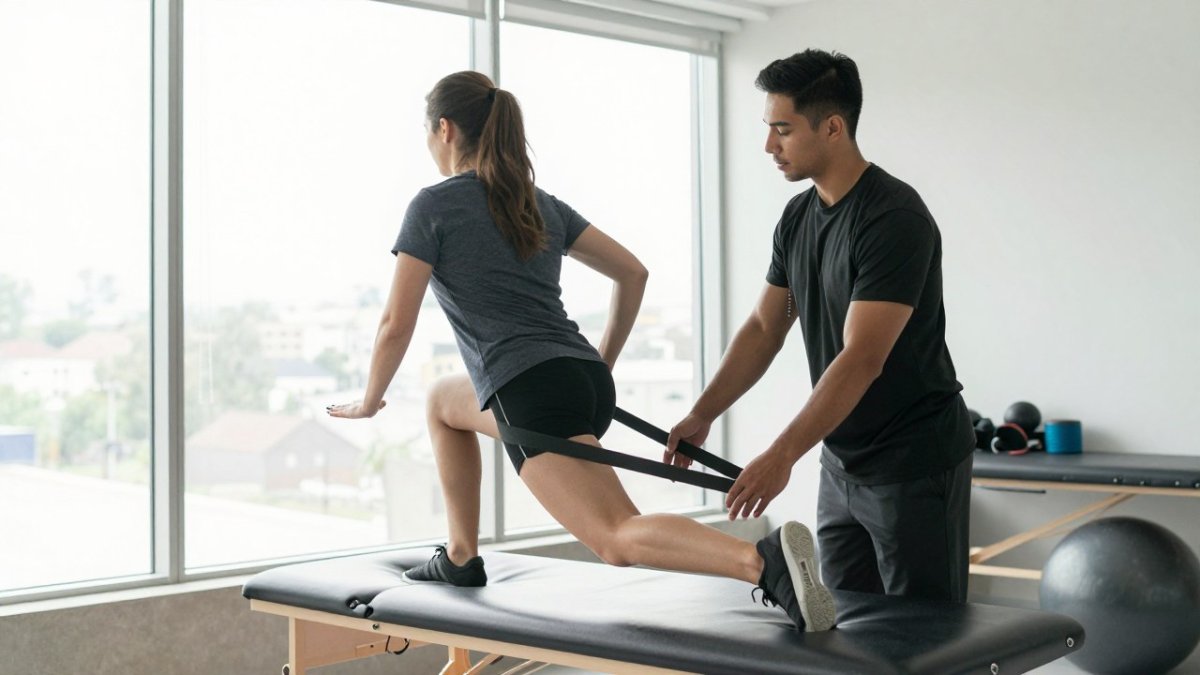
Stage 1: Protect and Calm the Tissue (Days 0-3)
The first 48 to 72 hours are about limiting further damage. Relative rest beats total bed rest.
- Avoid painful loads, but keep moving gently. Complete rest slows circulation and stiffens tissue.
- Use ice for 15 to 20 minutes at a time, with at least an hour between applications, to calm pain and swelling in the first 48 hours.
- Elevate the limb above heart level when you can, especially in the first 24 hours.
Watch out: if swelling or bruising is worsening after 48 hours rather than settling, or if you cannot bear weight, stop self-treating and get evaluated.
Stage 2: Restore Motion and Load (Days 3-14, injury-dependent)
Once pain settles, your job shifts to rebuilding. Gentle active recovery, such as walking or easy cycling, boosts blood flow without stressing the injury.
- Work on joint mobility daily, but stay within a pain-free range. A dull stretch is acceptable; sharp pain is not.
- Add light strengthening exercises for the muscles around the injury, starting with isometric holds (contracting without moving the joint) at low effort.
- Use heat therapy before activity to loosen stiff tissue, not on a joint that is still swollen.
Stage 3: Return to Sport With Criteria, Not Calendars
A calendar cannot tell you when tissue has healed. Criteria can. Move back to sport only when you can pass these gates:
| Gate | Test | Pass Standard |
|---|---|---|
| Pain-free motion | Full range of movement | No pain at end range |
| Strength | Compare both sides | Within about 10% of the uninjured side |
| Load tolerance | Sport-specific drill | No pain during or 24 hours after |
| Confidence | Change of direction | Full speed, no hesitation |
Progress one gate at a time. If a gate fails, drop back to the previous stage for a few days rather than pushing through.
Injury-Specific Adjustments
General recovery advice only goes so far. The tissue involved changes the timeline and the cautions.
- Muscle strain: Protect from stretching and strong contraction for the first few days, then prioritize isometric loading and gradual lengthening. Return-to-sport strength testing matters most here.
- Ligament sprain (for example, an ankle sprain): Early protected movement and balance (proprioceptive) training reduce the risk of repeat sprains. Braces or taping can support return to sport but should not replace strengthening.
- Tendon injury: Tendons respond to progressive load, not rest. Complete rest often makes tendons more sensitive over time; controlled loading is the mainstay once acute pain settles.
When to Seek Medical Care and Warning Signs
Some symptoms mean the plan pauses and a clinician takes over:
- Severe pain, deformity, or a joint that gives way
- Inability to bear weight or use the limb
- Numbness, tingling, or weakness
These signs can point to a fracture, nerve issue, or full tear. Imaging and a proper exam sort it out, and early evaluation usually shortens the overall recovery rather than lengthening it.
Best Recovery Methods for Athletes, Ranked by Evidence
The best recovery methods for athletes are the ones with real evidence behind them, not the ones with the loudest marketing. Here is how the research stacks up.
- Sleep. The foundation of tissue healing and hormone recovery. No gadget replaces it.
- Massage. A 2018 review found that a 20 to 30 minute massage within 2 hours of exercise can reduce soreness for 24 hours evidence-based review of post-exercise recovery.
- Active recovery. Easy movement supports blood flow and muscle function.
- Compression. Individual studies suggest benefits, though the 2024 review called for more research.
- Cold therapy. Useful for acute pain and swelling in the first days.
- Heat therapy. Best for stiffness and before activity, not fresh injuries.
A 2024 survey found stretching reported by 28% of respondents, ice baths by 26%, massage by 14%, and sleep by just 10% survey of recovery strategy use. Notice that the cheapest, most effective tool, sleep, is the least used.
Reported use of recovery strategies among survey respondents
Source: Use of post-exercise recovery strategies in team and individual sports
Best Muscle Recovery Food and Hydration Habits
The best muscle recovery food is simple: protein, carbohydrates, water, and color on the plate. Nutrition supplies the raw material for healing, but the details matter more than most athletes realize. A common pattern is that athletes under-eat protein and over-restrict carbohydrates during recovery, which slows tissue repair and leaves them fatigued.
Protein: Spread It Across the Day
Muscle repair depends on amino acids arriving steadily, not in one large meal. Most practitioners suggest aiming for roughly 20 to 40 grams of protein per meal, spread across three to four meals, rather than a single large serving at dinner. Good sources include eggs, Greek yogurt, chicken, fish, lean beef, tofu, lentils, and dairy. For athletes recovering from injury, protein needs are often higher than during normal training because the body is rebuilding tissue while activity is reduced.
Carbohydrates: Refill Energy Stores
Carbohydrates restore glycogen, the stored fuel that hard training depletes. After activity, a meal or snack that combines carbohydrates and protein within a couple of hours supports both energy recovery and muscle repair. Whole grains, fruit, potatoes, and beans are practical choices. Severely restricting carbohydrates during recovery can increase fatigue and impair healing.
Water and Electrolytes: Drink to Thirst and Check Urine Color
Hydration supports circulation, which carries nutrients to healing tissue and removes waste. Drinking to thirst and checking urine color (pale yellow is a reasonable target) is a practical guide for most athletes. After heavy sweating, especially in heat, replace fluids with electrolytes such as sodium and potassium. Overhydrating with plain water alone during long events can dilute sodium levels, so balance matters.
Micronutrients That Support Repair
- Vitamin C: supports collagen formation, which matters for tendon and ligament healing. Citrus, peppers, and berries are easy sources.
- Omega-3 fats: support normal inflammatory resolution. Fatty fish, walnuts, and flaxseed are common sources.
- Calcium and vitamin D: matter for bone and muscle function, especially for athletes recovering from bone injuries or who train indoors.
What the Evidence Does and Does Not Support
Nutrition research in sports injury recovery is less precise than marketing suggests. Protein and adequate energy intake are well supported for tissue repair. Specific supplement claims, including many recovery powders and anti-inflammatory blends, have weaker or injury-dependent evidence. Food first is the practical rule; supplements are optional and should be discussed with a qualified professional, especially if you take medication.
Individual Factors That Change the Plan
Recovery speed is not universal. Injury severity, age, prior injuries, sleep quality, overall nutrition, and health conditions such as diabetes all affect healing time. Athletes who sleep poorly or eat too little often recover more slowly regardless of which recovery tools they use. Rather than chasing a single perfect food, build consistent habits: regular meals with protein, enough carbohydrates to fuel activity, steady hydration, and a sleep schedule you protect.
Post Workout Recovery Supplements: What the Evidence Supports
Post workout recovery supplements are optional, not essential. Food covers most needs. Some athletes use creatine or protein powder for convenience, but no pill replaces sleep, food, and graded loading.
Talk to a qualified professional before adding supplements, especially if you take medication.
Warning Signs That Mean See a Doctor, Not Rest
Some symptoms need medical care, not a recovery plan. Seek care if you notice:
- Severe swelling or bruising that worsens
- Deformity or a joint that gives way
- Numbness, tingling, or weakness
These signs can point to a fracture, nerve issue, or full tear. Imaging and a proper exam sort it out.
Avoiding Reinjury: Monitoring Progress Week by Week
Reinjury prevention comes down to tracking, not guessing. Log pain, swelling, and function each week.
- Rate pain from 0 to 10 before and after activity.
- Note any swelling that returns.
- Test strength against the other side.
If you are also managing lingering neck stiffness while you rebuild, our guide on how to fix chronic neck stiffness walks through a step-by-step approach you can follow at home.
Building Your Recovery Plan With The Powerful Body
The hardest part of recovery is knowing which stage you are in and when to push. The Powerful Body: Chiropractic & Massage offers personalized plans that combine chiropractic care, massage therapy, and recovery technologies such as shockwave and red light therapy.
Recovery rewards patience and precision, not guesswork. If your injury keeps stalling or you want a plan built around your sport and your body, we can help.
Frequently Asked Questions
Should I rest or keep moving after a sports injury?
Complete rest is rarely the answer beyond the first day or two. Once sharp pain and swelling settle, gentle pain-free movement supports blood flow and muscle function better than lying still. Research on delayed-onset muscle soreness and perceived fatigue has examined several recovery approaches, and active recovery works on the same principle. Start with range-of-motion work, then add light load. Stop any activity that sharply increases pain, and get an assessment if symptoms do not improve within a few days.
How long does it take to recover from a sports injury?
Recovery time depends on the tissue involved and the severity. Recovery time depends on the tissue involved and the severity, and more significant injuries generally take longer than minor ones. Massage research has examined its effect on soreness, which is not the same as structural damage. Use function, not the calendar, as your guide: pain-free range of motion, equal strength side to side, and confident sport-specific movement matter more than a set number of days.
What helps a sports injury heal faster?
The basics do most of the work: sleep, adequate protein and carbohydrates, hydration, and a staged return to activity. Surveys of athletes examine which recovery strategies they use, but usage and perceived effectiveness are not the same as proof of benefit. Pair sensible load progression with hands-on care such as massage or chiropractic evaluation, and see a doctor for warning signs like deformity, night pain, or inability to bear weight.
Do athletes heal faster from injuries?
Training status helps with tissue quality and rehabilitation capacity, but it does not shortcut biology. Training status can influence tissue quality and rehabilitation capacity, but it does not shortcut biology. Research on recovery methods is mixed, and more study is generally called for. The advantage comes from structured rehab, sleep, and nutrition, not from fitness alone.